Viral Tests
In today’s world, the rapid and accurate diagnosis of diseases plays a crucial role in safeguarding public health and improving quality of life. With technological advancements and the emergence of novel laboratory methods, particularly PCR-based techniques, a major transformation has occurred in the diagnosis of viral diseases and various infections. These methods, with their high sensitivity and precision, enable the detection of diseases at early stages, allowing physicians to initiate effective and timely measures for disease control and treatment.
The Royan Genetics Center, utilizing the latest techniques such as PCR, qPCR, and Sanger sequencing, offers a wide range of diagnostic tests. These techniques are applied accurately and professionally for the diagnosis of various viral and genetic diseases, playing a vital role in monitoring and maintaining individual health. By employing these advanced technologies, Royan takes effective steps towards safeguarding community health, enhancing the quality of diagnostic services, and making significant contributions to public health.
Among these tests are:
- COVID-19 PCR Test
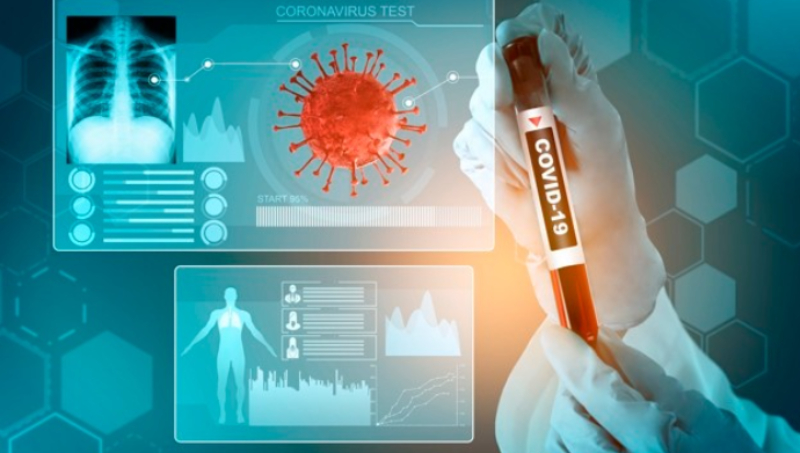 This contagious disease, caused by the SARS-CoV-2 virus, was first identified in late 2019 in Wuhan, China, and rapidly evolved into a global pandemic. Due to its high transmissibility, the virus quickly crossed geographical borders and affected many countries worldwide. The widespread outbreak of this disease led governments to implement numerous restrictions and preventive measures, such as quarantines and social distancing, to control its spread.
For diagnosing this disease, the Real-time PCR method is used because of its very high accuracy and sensitivity. This test is conducted professionally at the Royan Comprehensive Genetics Center, and its results are highly reliable, to the extent that they are approved for submission to airlines. This test enables travelers to embark on international trips with confidence in their health status and plays an important role in controlling the spread of the disease.
- HPV PCR Test
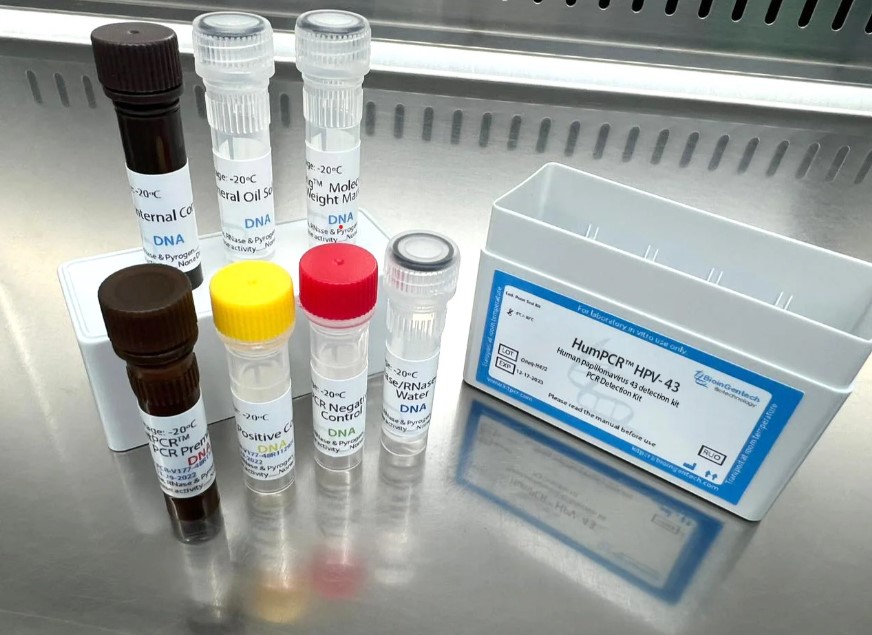 Human papillomavirus (HPV) is a common viral infection that typically causes warts on the skin and mucous membranes. There are more than 100 types of HPV; some cause only benign surface warts and are harmless, while others may lead to more serious complications, including cancers such as cervical cancer. Therefore, HPV is considered one of the main sexually transmitted infections, making its prevention especially important.
Early detection of HPV plays a crucial role in timely prevention and treatment, particularly for individuals at higher risk. Due to its high accuracy and sensitivity, the PCR method enables rapid and reliable detection of the virus and can be a more effective alternative to other diagnostic methods. By accurately identifying different HPV types, this method assists physicians in prescribing appropriate treatments and significantly contributes to preventing progression toward cancer.
- HIV PCR Test
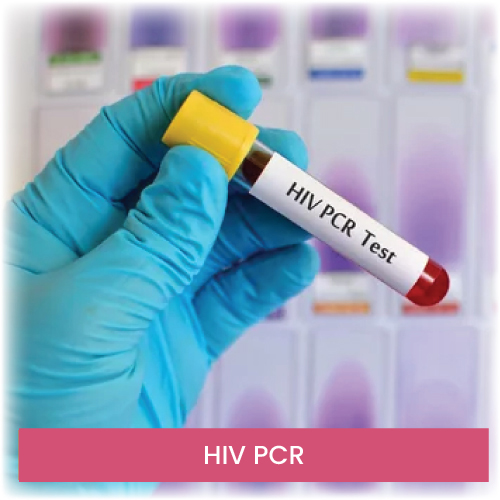 Acquired Immunodeficiency Syndrome (AIDS), caused by the Human Immunodeficiency Virus (HIV), is one of the serious threats to public health worldwide. This disease is transmitted through contact with infected blood, unprotected sexual intercourse, and other routes. Since HIV symptoms may not appear for up to approximately 10 years after infection, many infected individuals are unaware of their status, which can lead to unintentional transmission of the virus to others. Therefore, diagnostic testing is strongly recommended for individuals at risk.
The PCR test for HIV diagnosis is one of the most accurate available methods and can detect the virus even in the early stages of infection. This test, with its high sensitivity, facilitates rapid identification of infection and is performed with complete confidentiality. Test results are delivered exclusively to the individual tested, ensuring privacy and enabling timely follow-up and treatment.
- HBV PCR Test
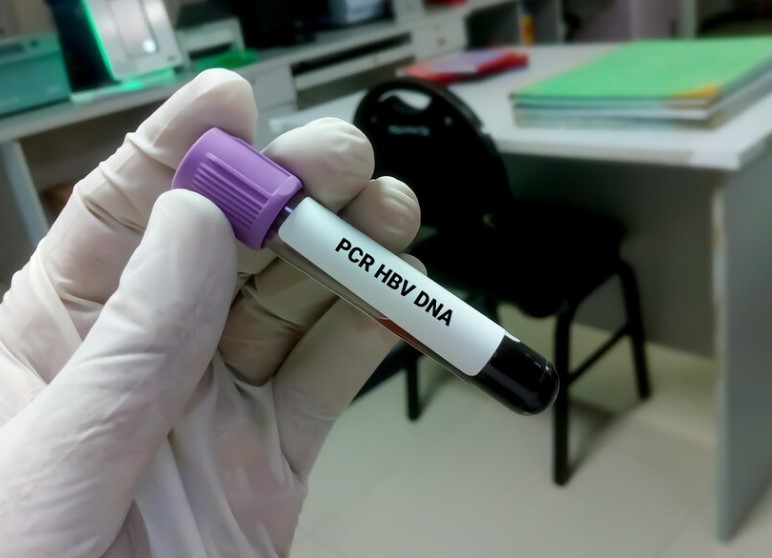 Hepatitis B virus (HBV) is one of the leading causes of chronic liver diseases worldwide and can result in serious complications such as cirrhosis and liver cancer. It is estimated that more than four hundred million people globally are infected with this virus. After entering the body, an individual may become a chronic carrier or, in some cases, experience a range of liver infections from mild to chronic. In carriers, disease symptoms may not manifest, yet the virus can still be transmitted to others.
For the diagnosis and management of HBV infection, PCR tests are utilized. These tests enable the precise detection and quantification of HBV DNA, also known as the viral load, in clinical samples. Measuring the viral load helps physicians evaluate the severity of the infection and monitor the treatment process more accurately. This diagnostic method plays a crucial role in determining the infection status and selecting the appropriate therapeutic strategy, thereby aiding in reducing the risk of complications caused by the virus.
- HSV Detection Test by Real-Time PCR
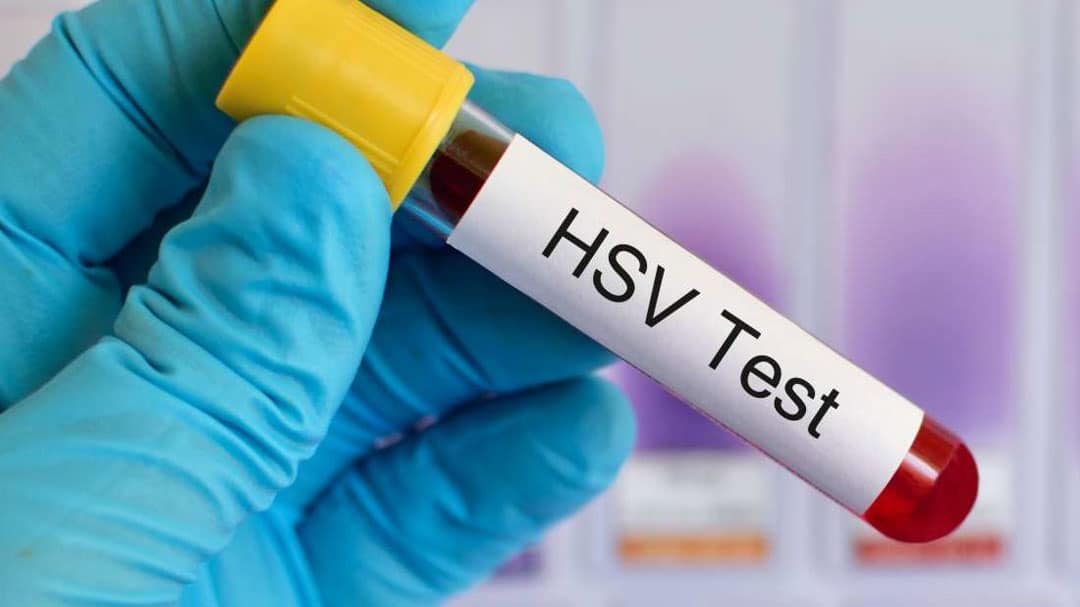 Herpes simplex viruses (HSV), members of the large herpesvirus family, can cause a wide range of infections in the human body. These viruses often remain asymptomatic in adults but can sometimes lead to oral cold sores, skin infections, and even more severe infections of the nervous system. HSV includes two distinct types: Type 1, which primarily causes infections around the mouth and lips, and Type 2, which is mainly responsible for genital infections.
Traditional diagnostic methods such as serology and viral culture often lack sufficient accuracy for detecting HSV and may produce unreliable results. Therefore, the PCR method, with its high sensitivity and specificity, is recognized as a reliable technique for HSV diagnosis. This method not only enables rapid and confident detection of the virus but also allows precise differentiation between the viral types, which is crucial for selecting the appropriate treatment for patients.
- HCV PCR Test
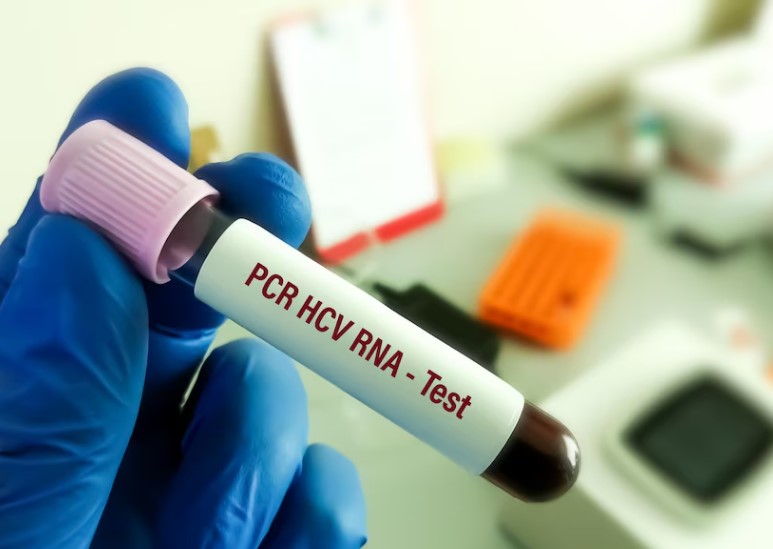 Hepatitis C is an infectious disease caused by the hepatitis C virus (HCV), which can lead to liver inflammation and ultimately result in severe liver complications such as cirrhosis and liver cancer. Given the widespread prevalence of the virus worldwide, hepatitis C represents a significant public health concern; over 180 million people are infected globally, and more than 350,000 deaths occur annually due to complications arising from this infection.
Early and accurate diagnosis of hepatitis C is of paramount importance. The most reliable diagnostic method is the detection of viral RNA through RT-PCR testing. This technique, with high sensitivity and specificity, can identify the presence of the virus in a shorter time compared to other diagnostic methods and is recognized as one of the advanced approaches for detecting viral infections. Additionally, RT-PCR allows for quantification of viral load in the patient’s blood, aiding physicians in assessing the severity of the infection and closely monitoring the treatment process.
