Prenatal Genetic Diagnosis Unit
Prenatal tests and screenings are performed to detect genetic or chromosomal changes in the fetus. These tests, recommended during pregnancy for mothers at higher risk of having a child with genetic or chromosomal disorders, help parents make more informed decisions regarding their child’s future.
-
Prenatal Screening Tests:
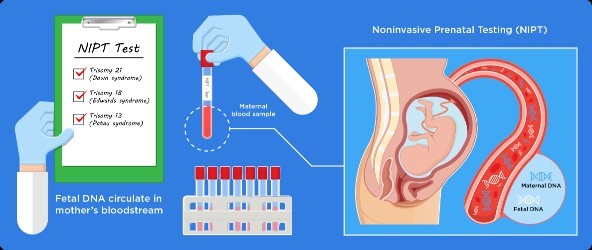
These types of tests can inform parents about the likelihood of aneuploidy and certain other disorders in the fetus; however, they are not definitive diagnostic tests for genetic diseases. Abnormal results in these screenings only indicate an increased risk. One of the most important screening tests is the Non-Invasive Prenatal Test (NIPT), which analyzes cell-free fetal DNA in the mother's blood to detect common chromosomal abnormalities (such as trisomies 21, 18, and 13). This test is non-invasive and, without risks such as miscarriage, offers high sensitivity and accuracy in detecting certain disorders.
-
Prenatal Diagnostic Tests:
These tests, with high accuracy, can provide definitive diagnoses of genetic disorders and specific abnormalities in the fetus. They include methods such as amniocentesis and chorionic villus sampling (CVS). For example, the QF-PCR test rapidly detects abnormalities in chromosomes 13, 18, 21, X, and Y. Additionally, MLPA testing is used for precise detection of changes in chromosome numbers and for identifying abnormalities such as Duchenne muscular dystrophy (DMD), spinal muscular atrophy (SMA), and other genetic mutations.
Prenata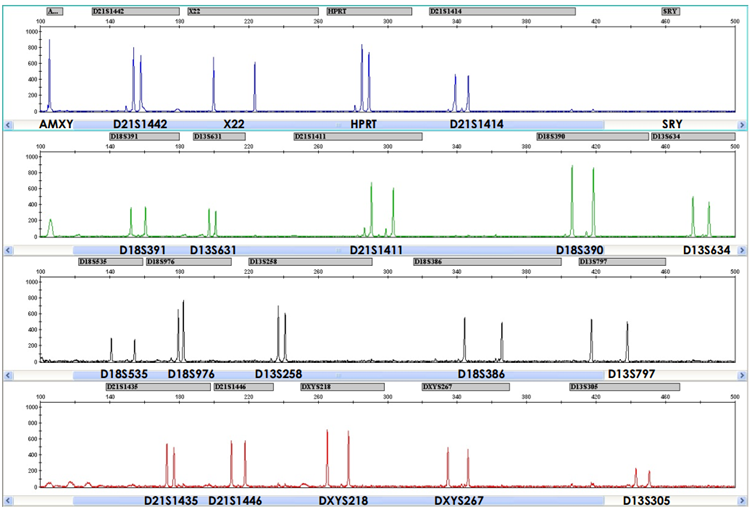 l genetic diagnoses enable the early identification of fetal genetic problems and defects. Many parents who have experienced having a child with genetic diseases are fearful of a subsequent pregnancy; however, these methods can provide reassurance regarding the health of their future child and allow them to make informed decisions about continuing the pregnancy. Genetic counseling before marriage, and especially before pregnancy, plays a crucial role in determining the parents’ risk of having an affected child. In genetic counseling sessions, the family’s situation is assessed individually to determine the necessity of prenatal diagnosis.
The most common indications for performing prenatal diagnosis include:
-
Advanced maternal age: With increasing maternal age, the likelihood of chromosomal abnormalities in the fetus rises; therefore, pregnancy in women over 35 years old is considered an indication for prenatal diagnosis.
-
Previous child affected by chromosomal abnormalities
-
Presence of certain chromosomal abnormalities in the parents
-
Previous child affected by a single-gene disorder
-
Family history of neural tube defects
-
History of recurrent miscarriages in the first trimester
