Next Generation Sequencing Department
Chemotherapy is one of the primary methods for treating cancer and often results in tumor size reduction and inhibition of cancer cell growth. However, one of the major challenges in cancer treatment is drug resistance, which refers to the reduction or complete loss of effectiveness of chemotherapeutic drugs on cancer cells. This resistance can arise from various factors including genetic alterations in cancer cells, genetic differences among patients, and even epigenetic changes that affect gene expression.
Certain cancers develop resistance to chemotherapy due to specific genetic and molecular mechanisms. For instance, mutations in genes involved in cell division or DNA repair can enable cancer cells to resist chemotherapeutic agents. These genetic characteristics not only influence treatment response but also affect patient prognosis.
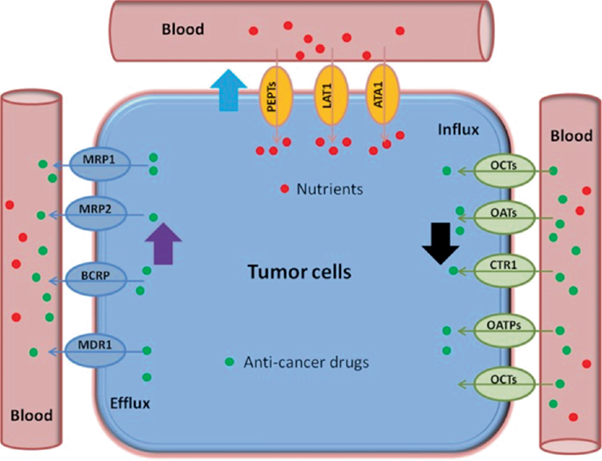 Cancer gene profiling aids in the identification and analysis of such genetic alterations. These profiles are generated using advanced technologies such as Next Generation Sequencing (NGS) and microarrays, allowing the detection of mutated genes within cancer cells. With this information, physicians can prescribe targeted and personalized therapies, increasing the likelihood of treatment success while avoiding unnecessary or ineffective treatments.
An important aspect of this process is the identification of genetic biomarkers specifically associated with chemotherapy resistance. These biomarkers enable physicians to design more precise treatment plans to effectively combat the cancer and reduce the chances of disease recurrence. Additionally, gene profiling can assist in selecting the most effective therapies, particularly for patients with advanced-stage cancer or those suffering from drug resistance.
Finally, NGS—especially at the exome or whole genome level (WES and WGS)—provides a comprehensive view of genetic and molecular alterations in cancer cells. By integrating multiple methods, such as diagnostic disease panels, MLPLA, SNP arrays, and other techniques, this approach enhances diagnostic accuracy and enables personalized treatment. Ultimately, it contributes to preventing cancer progression and improving patients’ quality of life.
