Development of a Graphene Oxide–Based Biosensor for the Early Detection of Cancer
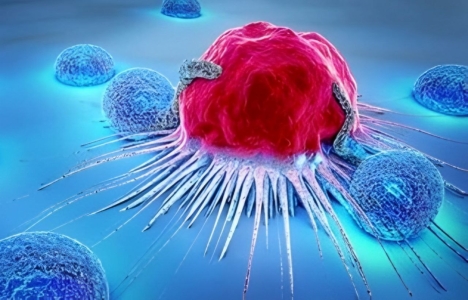 According to the Nanotechnology Headquarters, Monash University and the Monash Health network have been awarded a USD 100,000 research grant from the Love Your Sister Foundation, with funding administered through the Monash Health Foundation. The grant aims to support the development of a graphene oxide–based biosensor for the early detection of cancer. This novel biosensor is designed with a specific focus on identifying circulating tumor DNA (ctDNA)—molecular biomarkers present in the bloodstream that can serve as very early indicators of cancer within the body.
The project, known as GO-ctDNA, encompasses a broad interdisciplinary collaboration that integrates fields such as oncology, engineering, nanofabrication, structural biology, and advanced research technologies. This initiative has been established through a partnership between Monash Health, Monash University, and Australia’s national research infrastructure, and represents a prominent example of synergy between clinical needs and engineering innovation.
According to Dr. Gu Yao Hu, Head of the Cancer Immunology Laboratory at the Monash Health School of Clinical Sciences, the project creates a rare convergence of cutting-edge technology and clinical medicine. He emphasizes that, if successful, the GO-ctDNA biosensor could fundamentally transform cancer diagnostics by enabling the detection of cancer-associated mutations with unprecedented sensitivity through a non-invasive blood test, even before clinical symptoms of the disease become apparent.
The primary objective of the research team is to design and develop a portable and cost-effective biosensor capable of detecting extremely low concentrations of tumor-derived DNA in blood—and potentially even in urine samples. The biosensor will be engineered to recognize specific genetic mutations associated with various cancer types and to generate a quantifiable fluorescent signal upon detection of these mutations. Such an approach has the potential to significantly enhance both the accuracy and speed of cancer diagnosis.
To fabricate the biosensor, researchers will employ engineered surface modifications of graphene oxide, enabling short DNA strands to stably bind to its surface. These strands function as molecular receptors that become activated upon encountering target cancer-associated mutations, subsequently emitting light. The use of graphene oxide as the sensing substrate offers key advantages due to its high specific surface area, unique optical properties, and favorable biocompatibility, all of which contribute to enhanced sensor sensitivity and performance.
To further optimize system performance, the research team will utilize advanced synchrotron-based technologies and nanofabrication methods. These tools allow for precise tuning of the surface characteristics of graphene oxide and enable detailed investigation of its behavior in contact with real biological samples. Testing the biosensor using clinical specimens constitutes a critical stage in evaluating its accuracy, stability, and reliability under conditions that closely resemble real-world applications.
The long-term vision of the project extends beyond the development of a laboratory-based diagnostic tool. The researchers anticipate that, as the technology matures, cancer diagnostic testing could move beyond centralized, specialized laboratories and be deployed in outpatient clinical settings or even healthcare facilities in underserved regions. A portable version of the biosensor would allow physicians to continuously monitor patients’ responses to treatment and to detect disease recurrence at very early stages.
Such capabilities could play a vital role in delivering timely and personalized medical care, not only improving treatment success rates but also reducing the psychological and physical burden experienced by patients. This project serves as a clear illustration of how nanotechnology and advanced materials can directly address critical medical challenges and open new pathways for the diagnosis and treatment of complex diseases.
Publish date: 1404/11/11
